
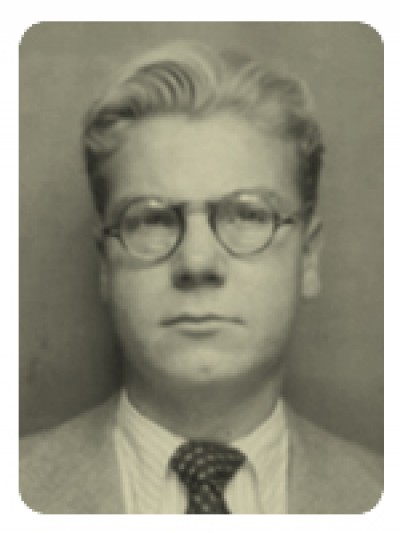
He graduated in Chemistry from the University of Barcelona, and also obtained degrees in Physics and Mathematics from the University of Montpellier. He was a chemical engineer at the Institute of Chemistry of the University of Montpellier (1941) and obtained a PhD in Physical Sciences from the Sorbonne (Paris, 1948).
Carlos Bas i Peired was born in Barcelona. He studied at the Pia Sant Antoni School (Barcelona), and from a very young age he was attracted to natural sciences. After the war, in 1942, he was able to begin his studies at the University of Barcelona. Initially he was interested in botany, the subject of his first publications.
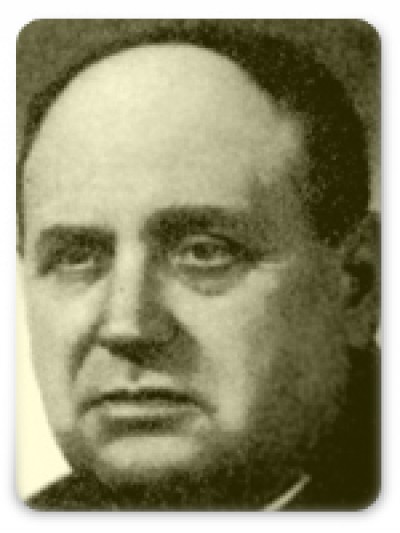
He studied natural sciences in Barcelona. In 1920 he got his Ph.D. degree in Madrid showing his research about the Jurassic period in Tarragona. His interest in geology and paleontology was due to his relation with Jaume Almera, who was his Professor and who founded the geological museum from Barcelona.
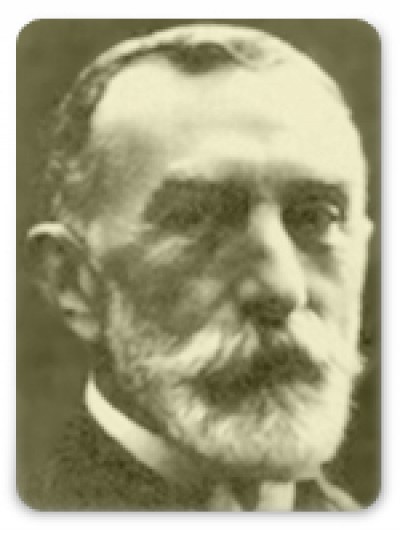
He was a member of the Acadèmia de les Ciències i Arts de Barcelona; a member of the Institució Catalana d’Història Natural, where he was the president twice in 1906 and in 1911; and a member of the science section of the Institut d’Estudis Catalans (IEC), where he was also a president in 1911.
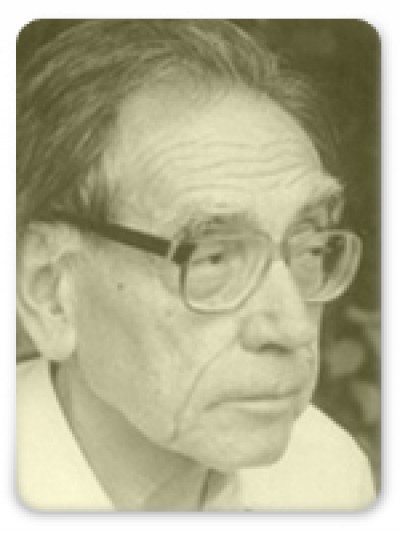
He obtained a degree in Natural Sciences at University of Barcelona (1947) and a PhD in 1950 with a dissertation on the vegetation in Montseny (Catalonia). He was a student and later collaborator of Josias Braun-Blanquet, and he introduced the sigmatist methodology for the study of vegetation in Catalonia.
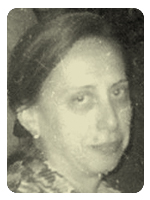
Maria Bolòs i Capdevila was a Catalan geographer, the first female professor of Physical Geography in Spain and a relevant figure in the field of Biogeography and Landscape Science.
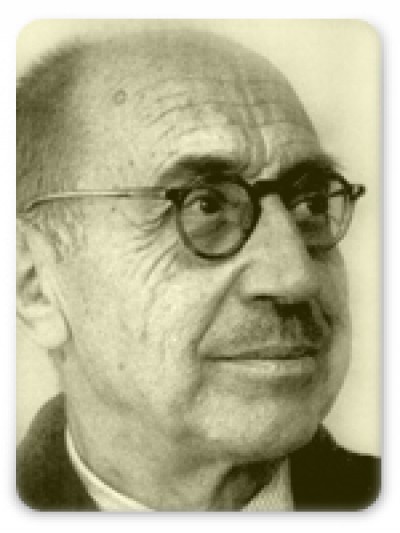
In 1934 he started to take care of the plants and herbs books from the Institut Botànic de Barcelona, he became director of the Institut Botànic in 1939 and later he was chosen as the director of the Instituto Municipal de Ciencias Naturales.
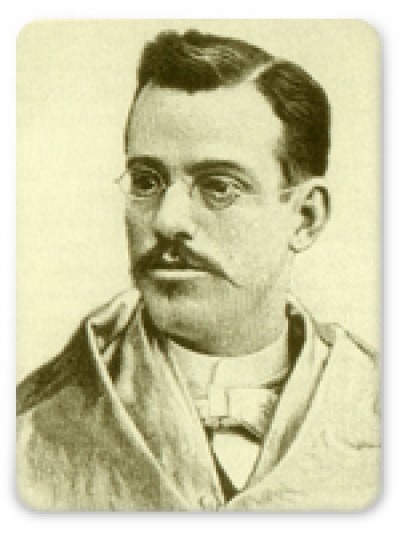
He was Professor of natural history in the University of Barcelona (1900) where he had problems due to his evolutionist ideas. In 1907, he founded and directed the Laboratorio de Biología Marina de las Baleares, in Mallorca, and the Instituto Español de Oceanografia. In 1939 he was exiled to Mexico.
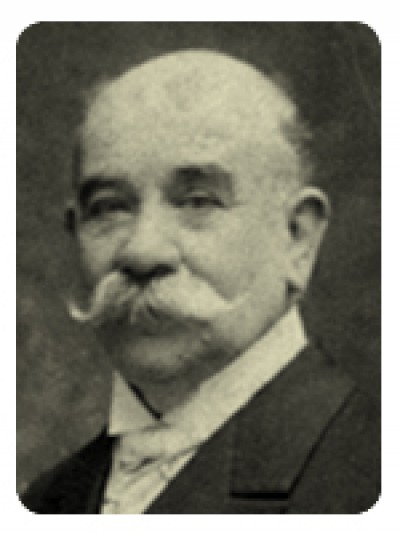
Characterized by his modesty, Joan Cadevall who “did not aspire that his name could one day appear next to those of Costa, Trèmols, Vayreda…, all worthy scientists; would have been satisfied that it appeared after them, at a respectful distance…”, as explained by Pius Font i Quer on the long obituary he dedicated to him, became one of the leading scientists of the late nineteenth and early twentieth centuries in Catalonia.
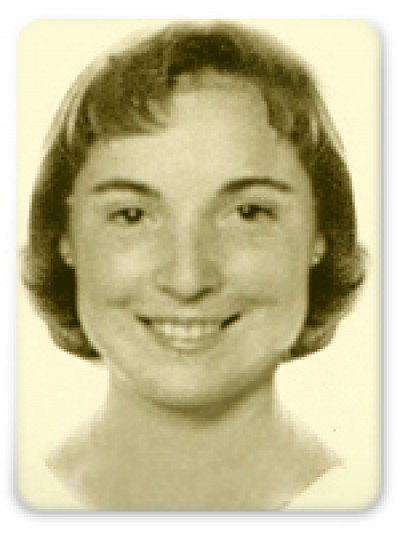
She was an open minded person who tried to improve the modern science introducing the newest advances.