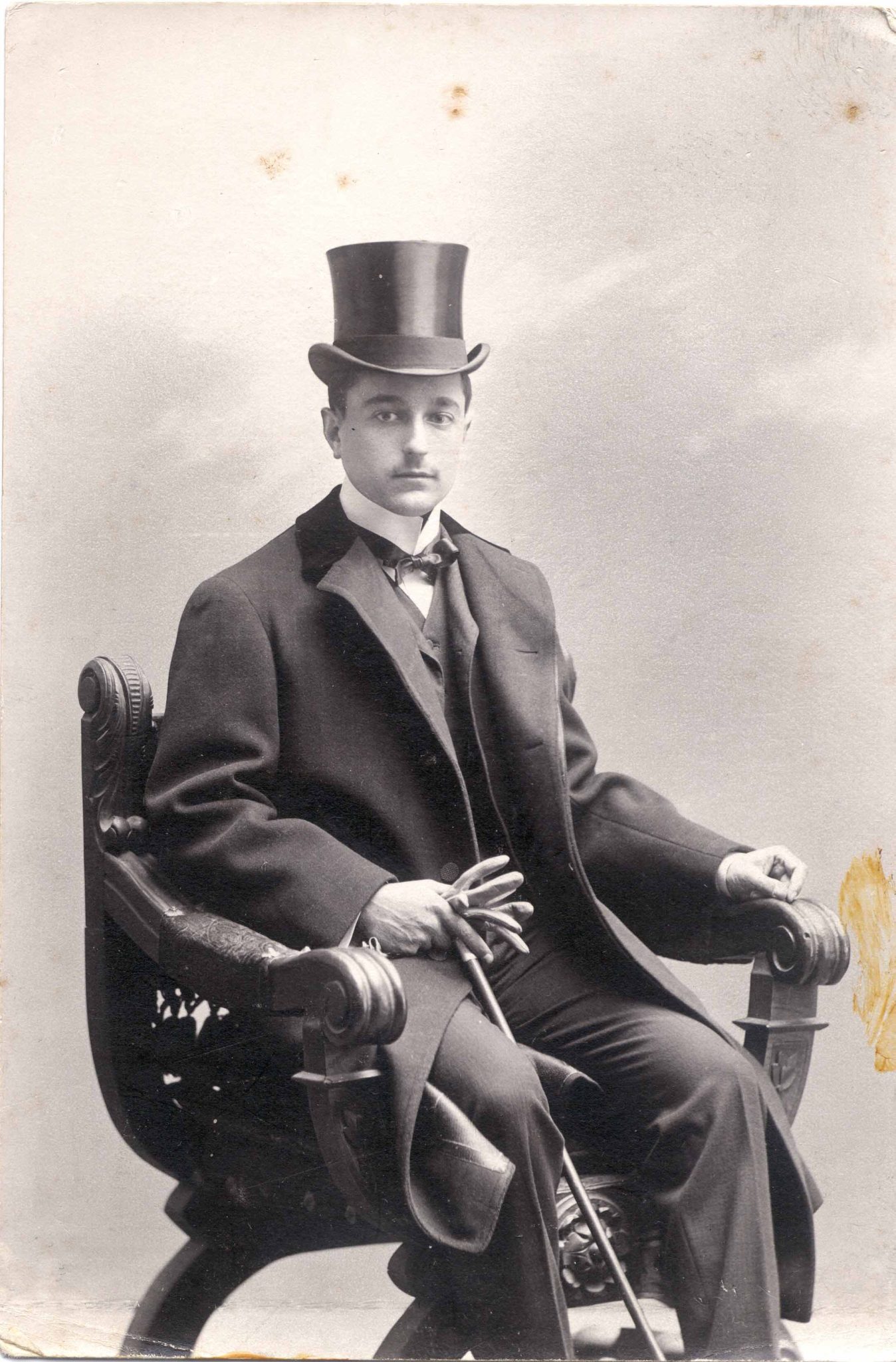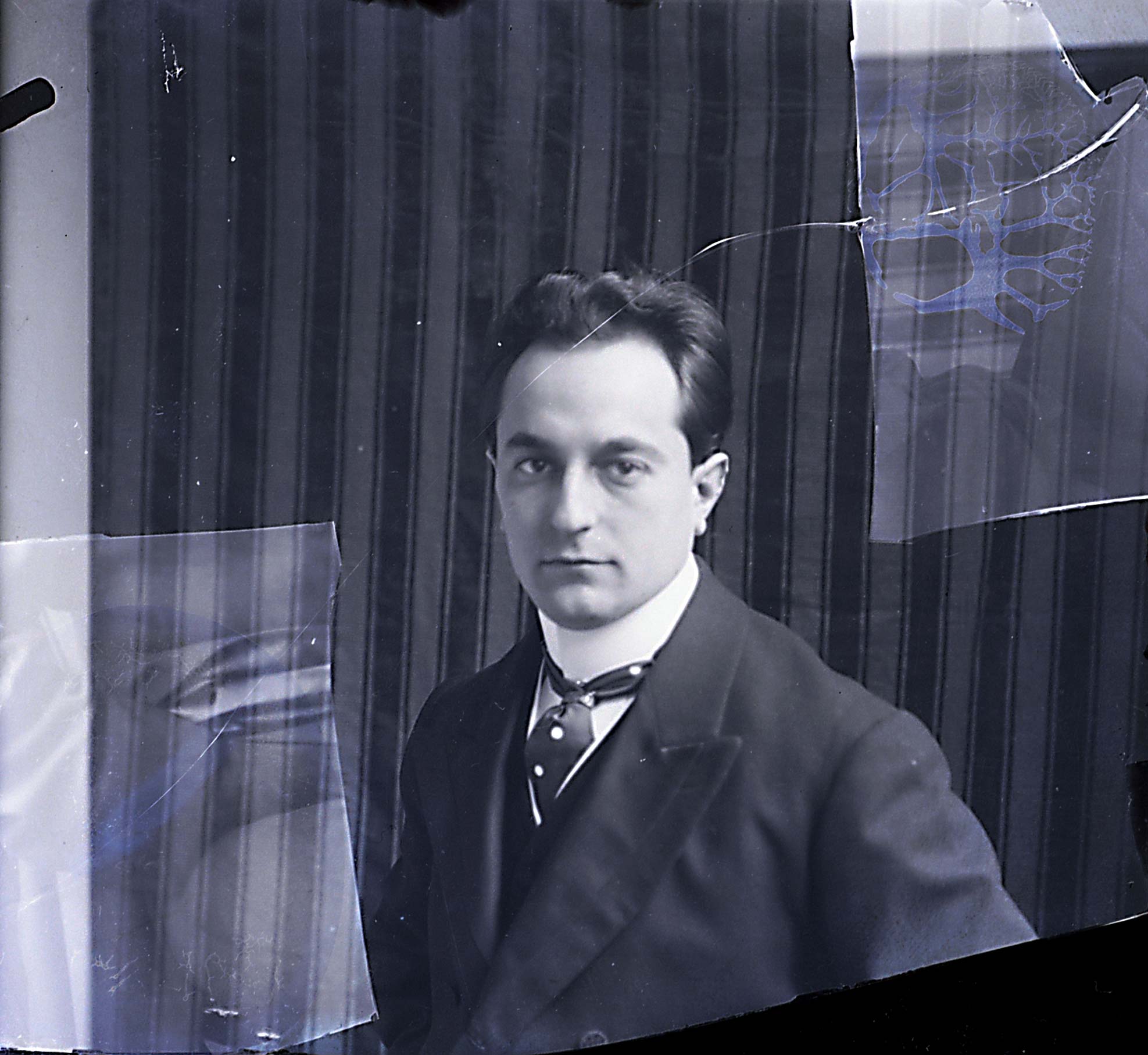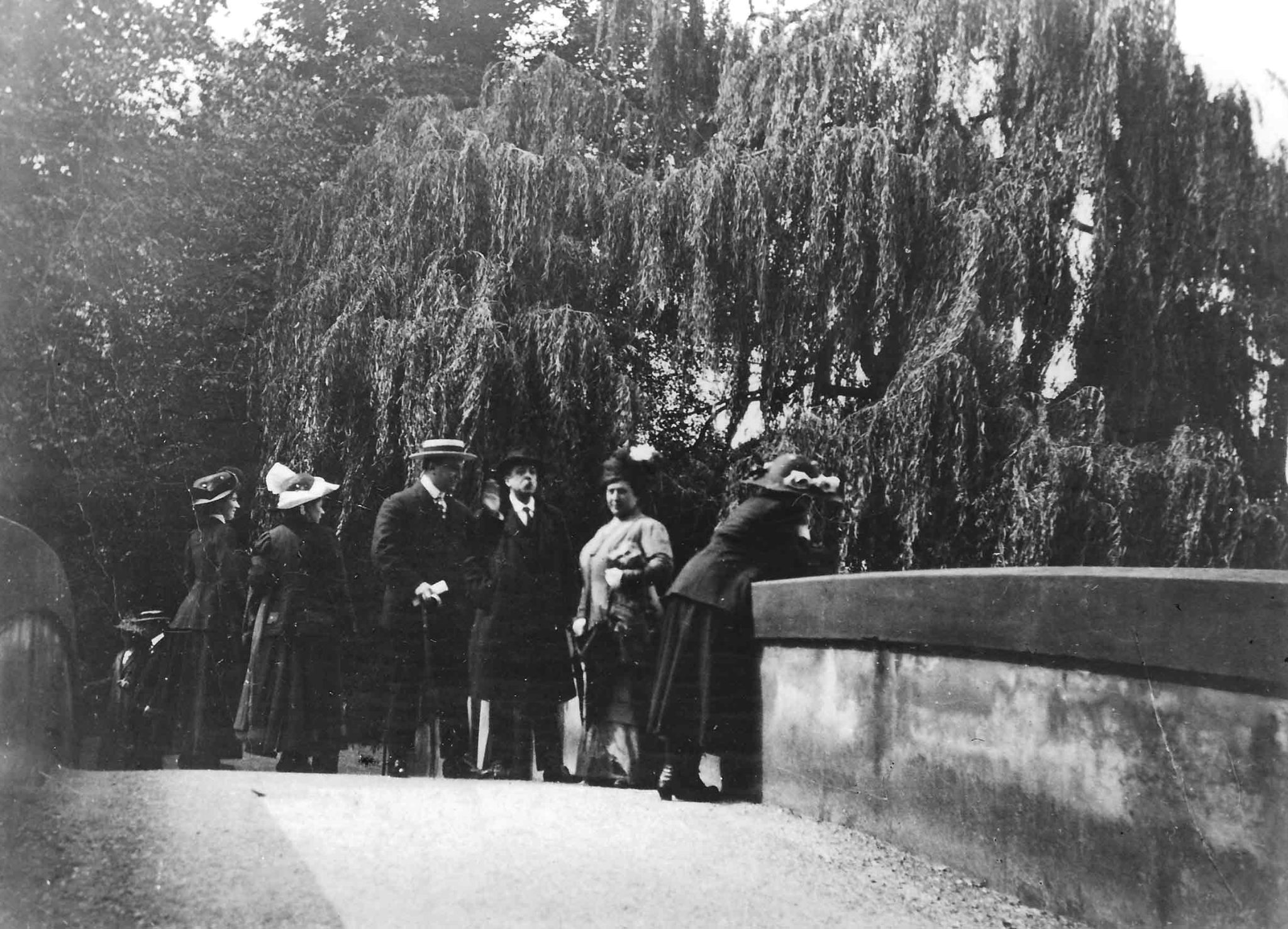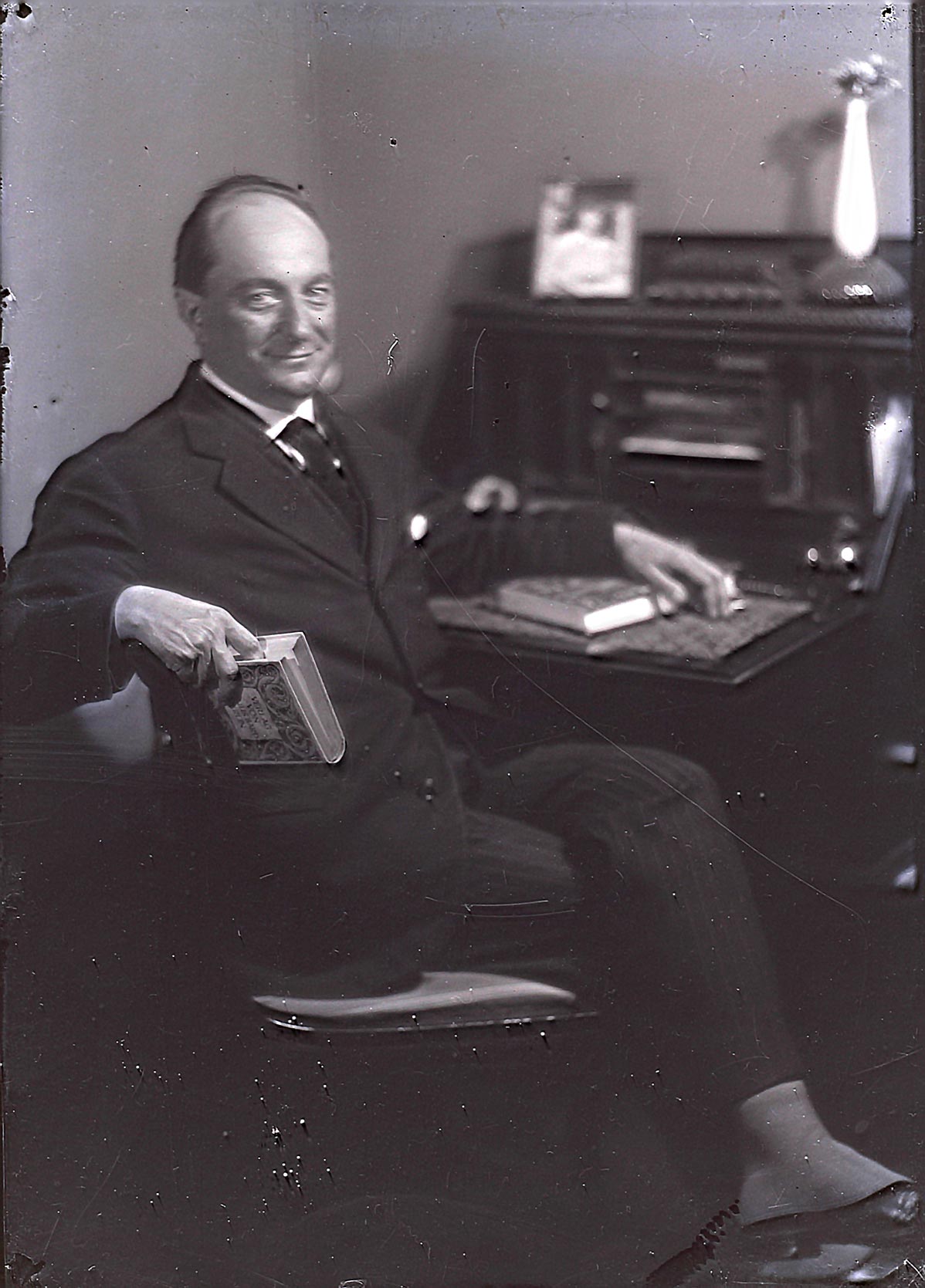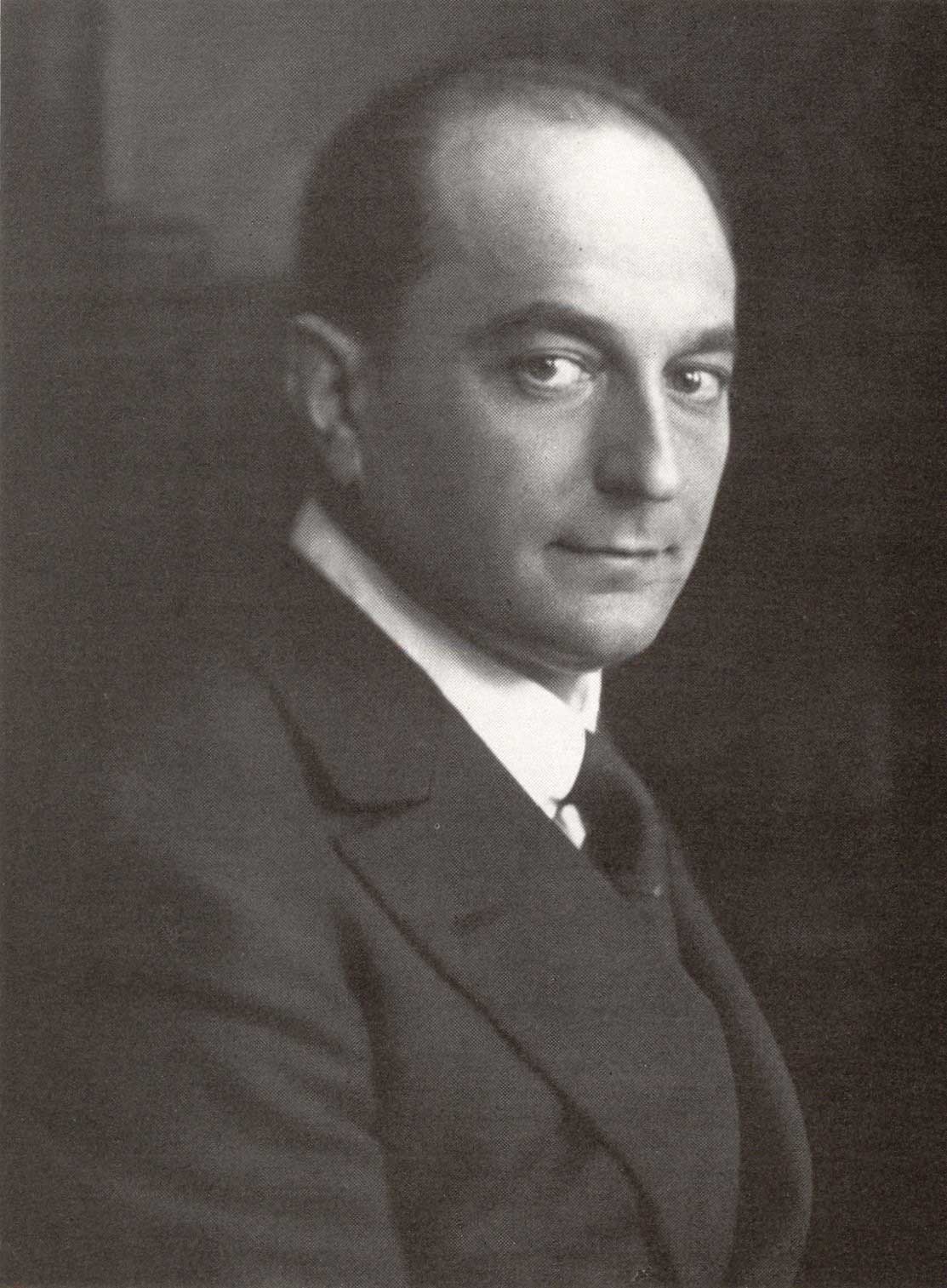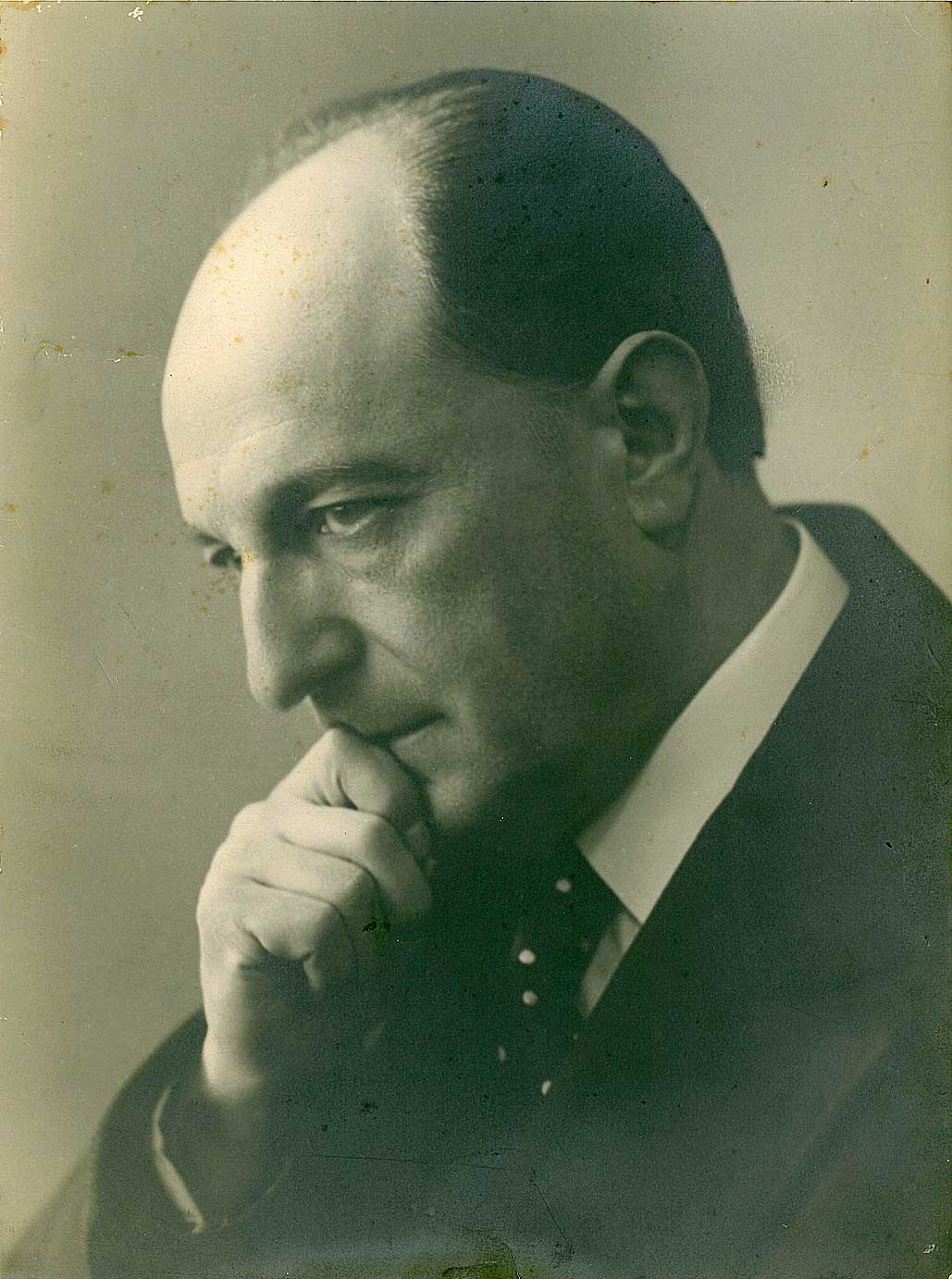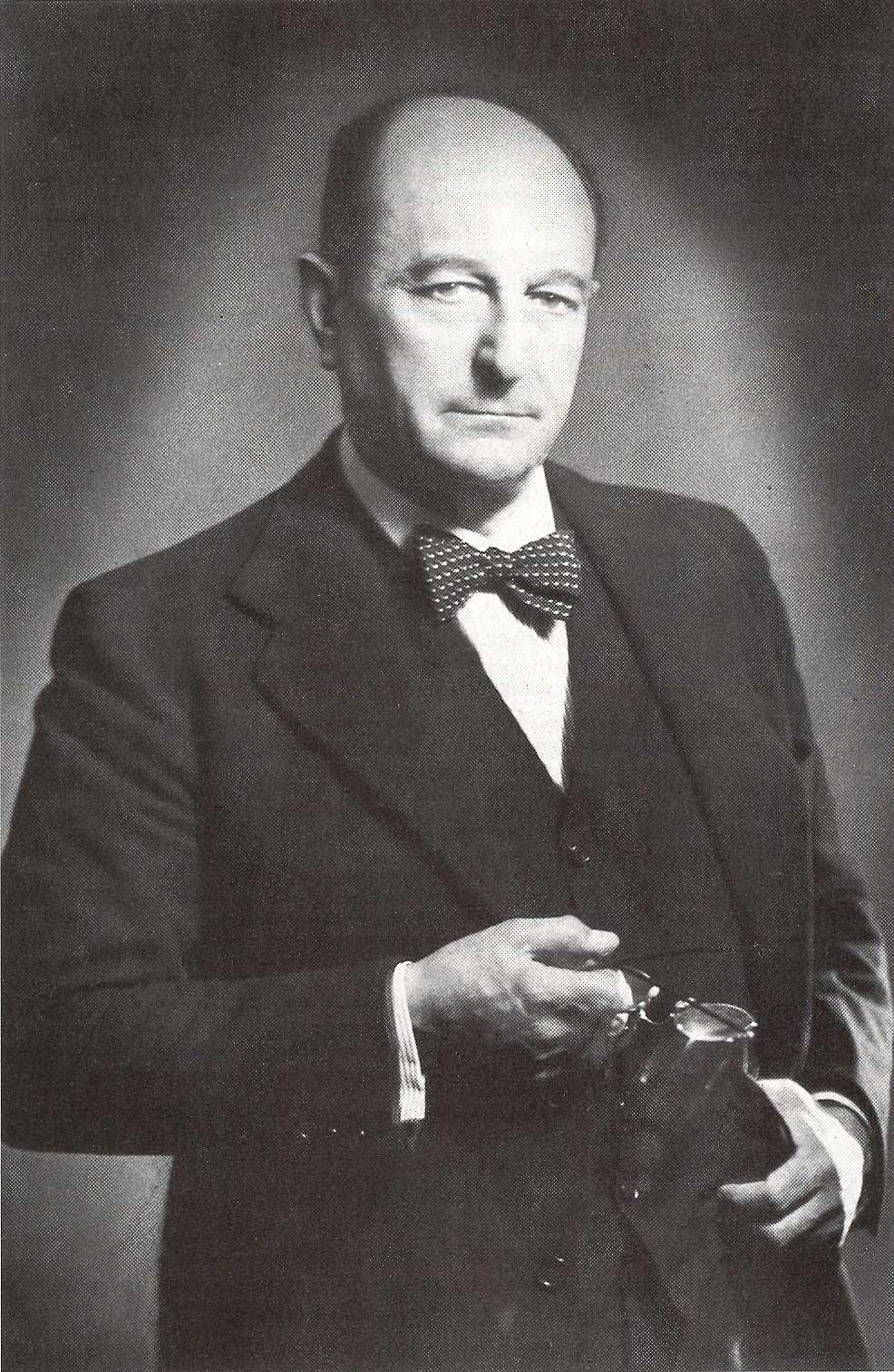
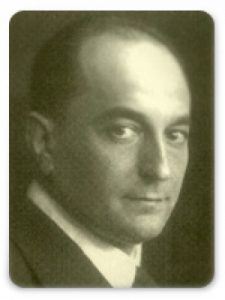
Born in Barcelona in 1883, Esteve Terradas i Illa lost his parents at an early age and was educated at a boarding school in Charlottenburg (Berlin). He later returned to Barcelona to revalidate his secondary studies and enroll in the Faculty of Science, initially with the aim of preparing for admission to the Escola Tècinca Superior d’Enginyeria Industrial de Barcelona (Barcelona School of Industrial Engineering). However, recognizing his exceptional talent in mathematics and physics, his professors persuaded him to focus on science instead. He completed his degree in Science in 1904 and then moved to Madrid to pursue doctoral studies. He defended two theses that same year – one in physics, his initial field of interest, and another in mathematics.
Terradas served as an assistant professor in Madrid and, in 1906, obtained the Chair of Rational Mechanics at the Faculty of Science of the University of Zaragoza. In 1907, he earned the Chair of Acoustics and Optics at the Faculty of Science of the University of Barcelona. Soon after, the Reial Acadèmia de Ciències i Arts de Barcelona (Royal Academy of Sciences and Arts of Barcelona) awarded him the Agell Prize for a paper on the dynamics of strings. This prize also granted him membership in the Academy, where he delivered his inaugural lecture in 1909.
At the University of Barcelona, Terradas took part in 1908 in an unsuccessful initiative to establish a school of electrical engineering. Meanwhile, he completed his studies in industrial engineering by submitting his final project in 1909. Around the same time, he participated in the founding of the Asociación Española para el Progreso de las Ciencias (Spanish Association for the Advancement of Science), whose first congress was held in Zaragoza in the autumn of 1908.
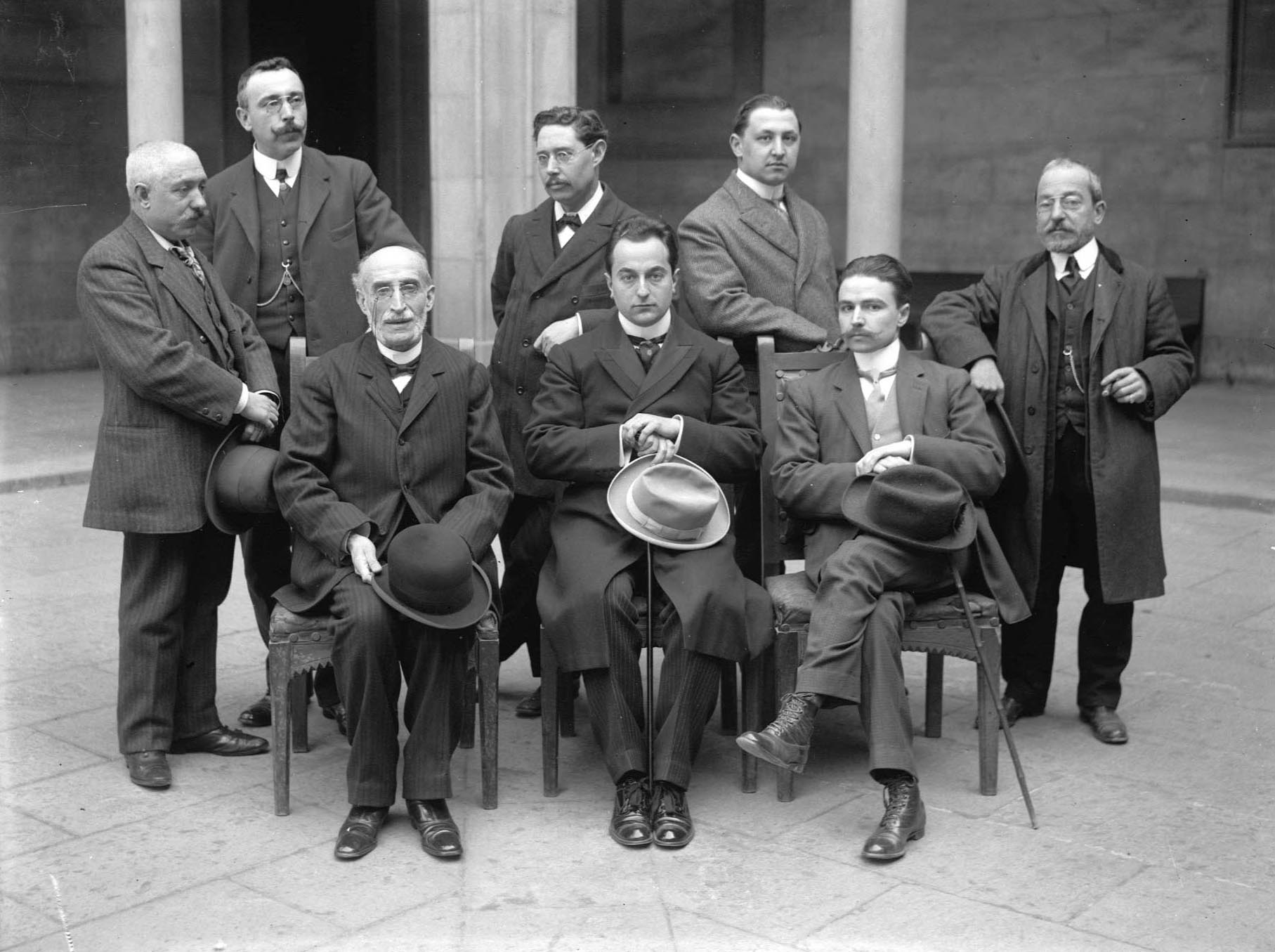
In 1911, when the Science Section of the Institut d’Estudis Catalans (Institute of Catalan Studies) was established, Terradas was chosen as one of its seven founding members. In 1914, he was appointed adviser to the Consell d’Investigacions Pedagògiques (Council for Pedagogical Research) of the Diputació de Barcelona (Barcelona Provincial Council). That same year, he obtained by competitive examination the position of professor of Automobile Mechanics at the Escola del Treball (School of Work).
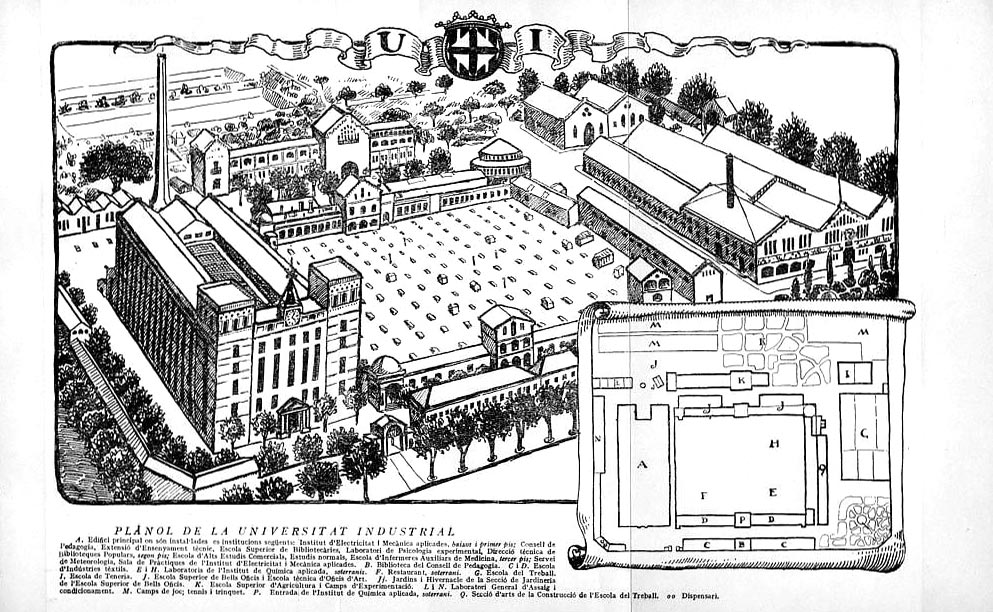
Following a crisis that led the Diputació to withdraw its support for the School of Industrial Engineers, Terradas was asked to design an alternative program of technical education to complement the curriculum of the Escola Industrial de Barcelona (Barcelona Industrial School). The result was the creation, in 1917, of the Institut d’Electricitat Aplicada (Institute of Applied Electricity), which was expanded to include Mechanics in 1919. This centre combined engineering education, a technical workshop, and a testing laboratory, becoming a leading reference in technical training – until it was dissolved in 1928 under the dictatorship of Primo de Rivera.
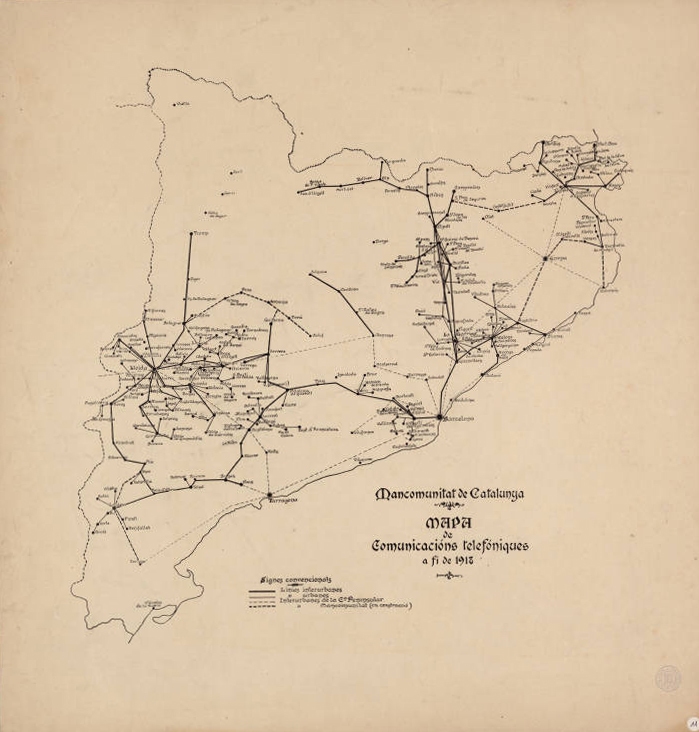
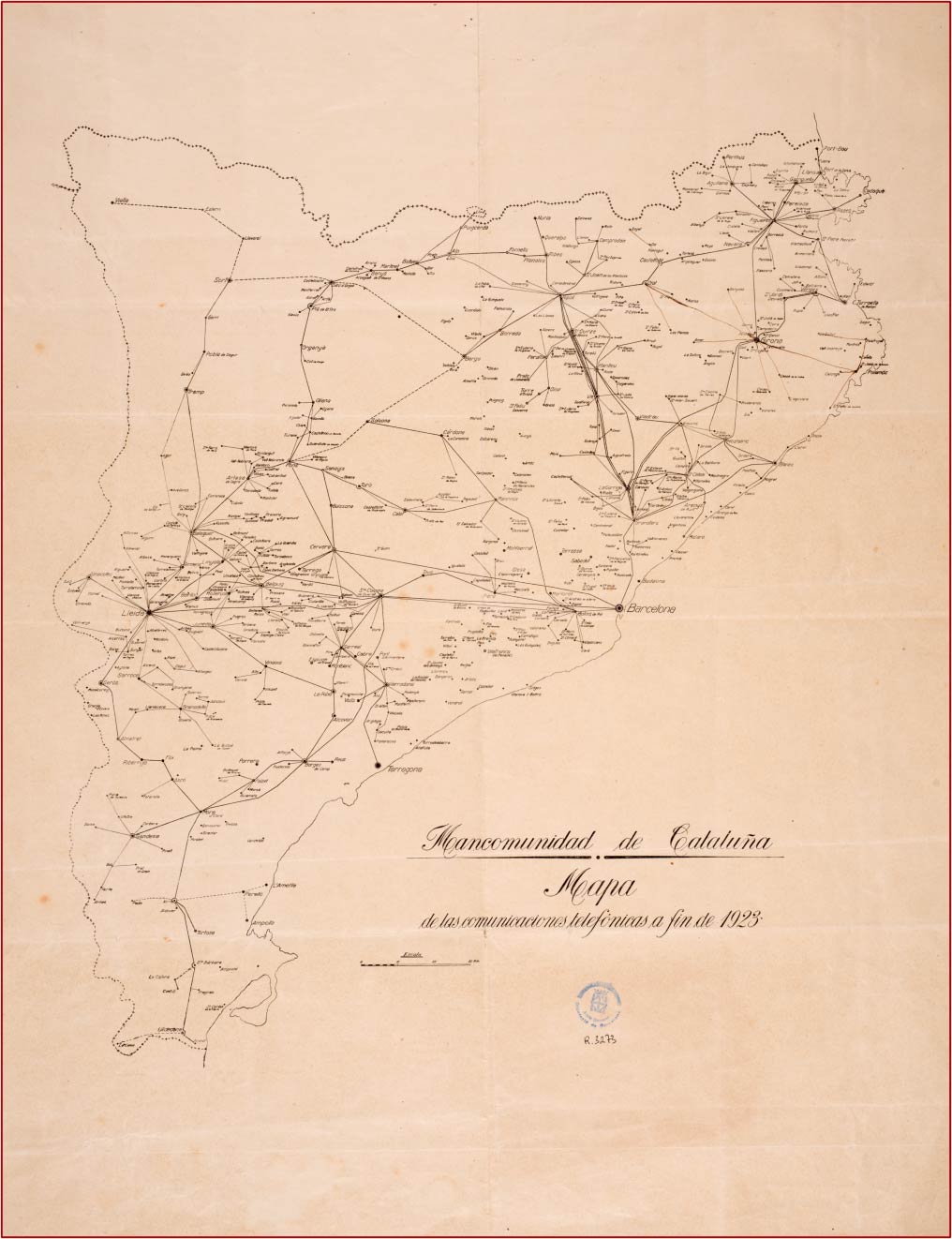
Terradas secured substantial funding to establish a laboratory for electricity and mechanics, which in 1919 became part of the Laboratori General d’Assaigs (General Testing Laboratory), coordinating with the other laboratories at the Escola Industrial – chemical, textile, dyeing, tanning, and agricultural. He served as its director until 1924. At the same time, in 1916, he was appointed director of the Xarxa de Telèfons de la Mancomunitat (Telephone Network of the Commonwealth of Catalonia). He threw himself into the project conceived by Enric Prat de la Riba to establish telephone communication throughout Catalonia. In 1922, the concession for Barcelona expired, and the Mancomunitat sought to connect more than 6,000 subscribers across Catalonia with the 10,000 in Barcelona, a plan ultimately blocked by the Spanish government.
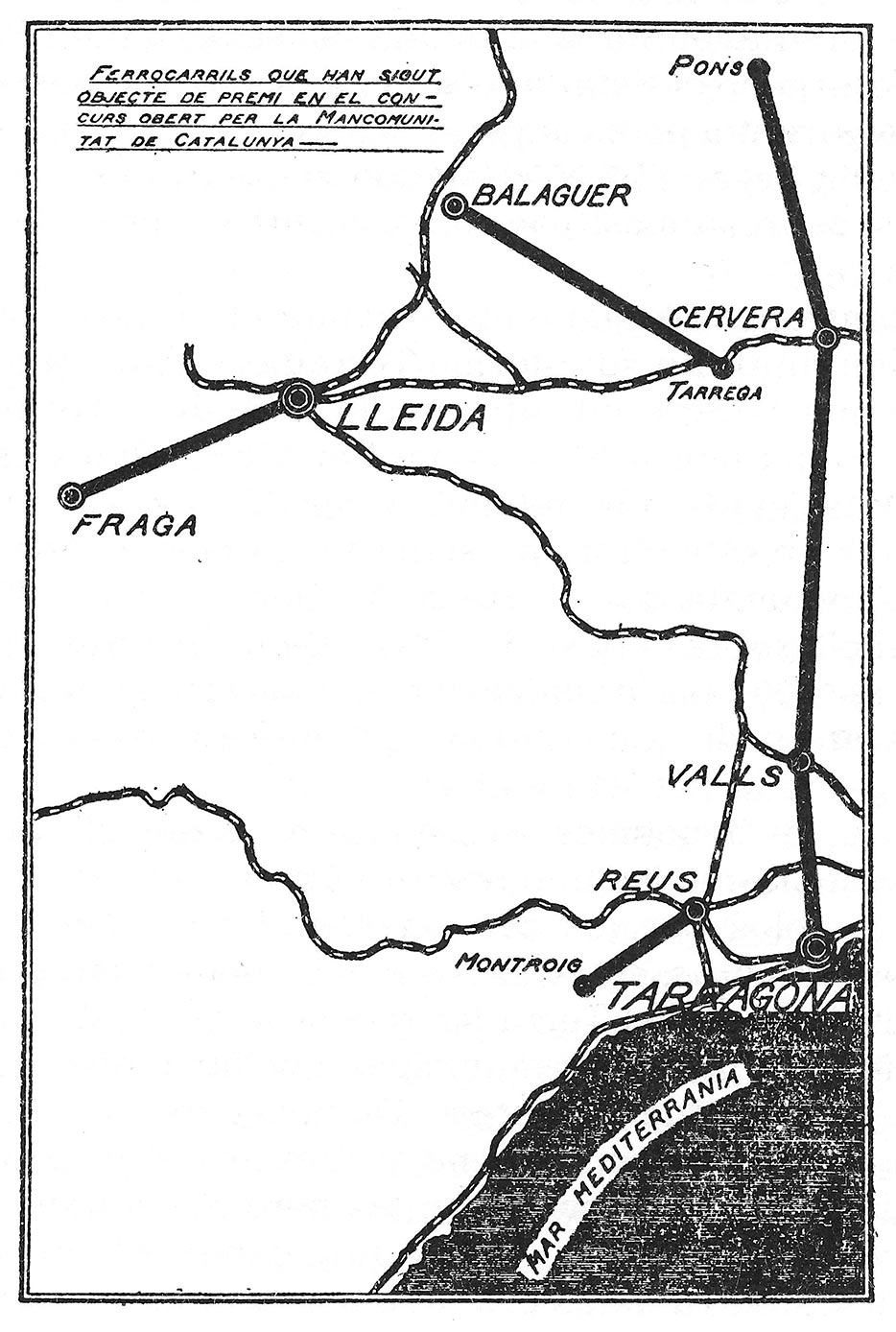
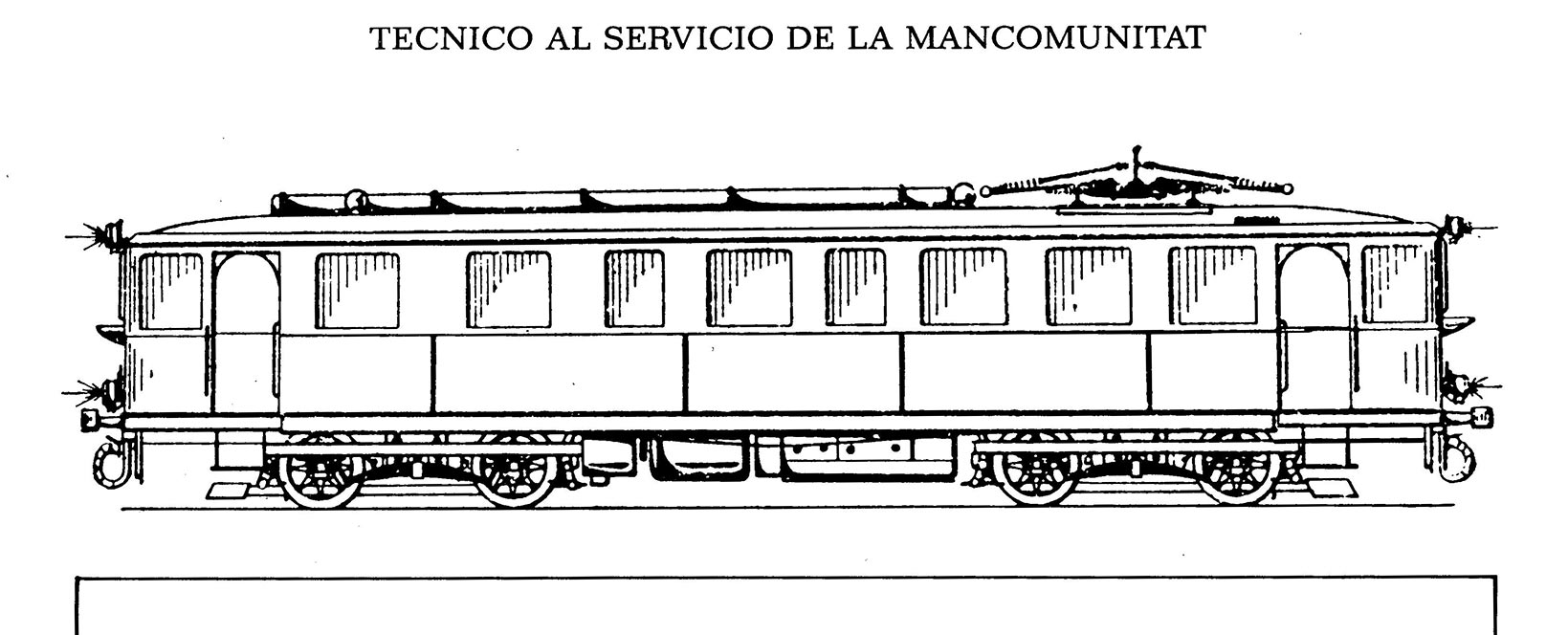
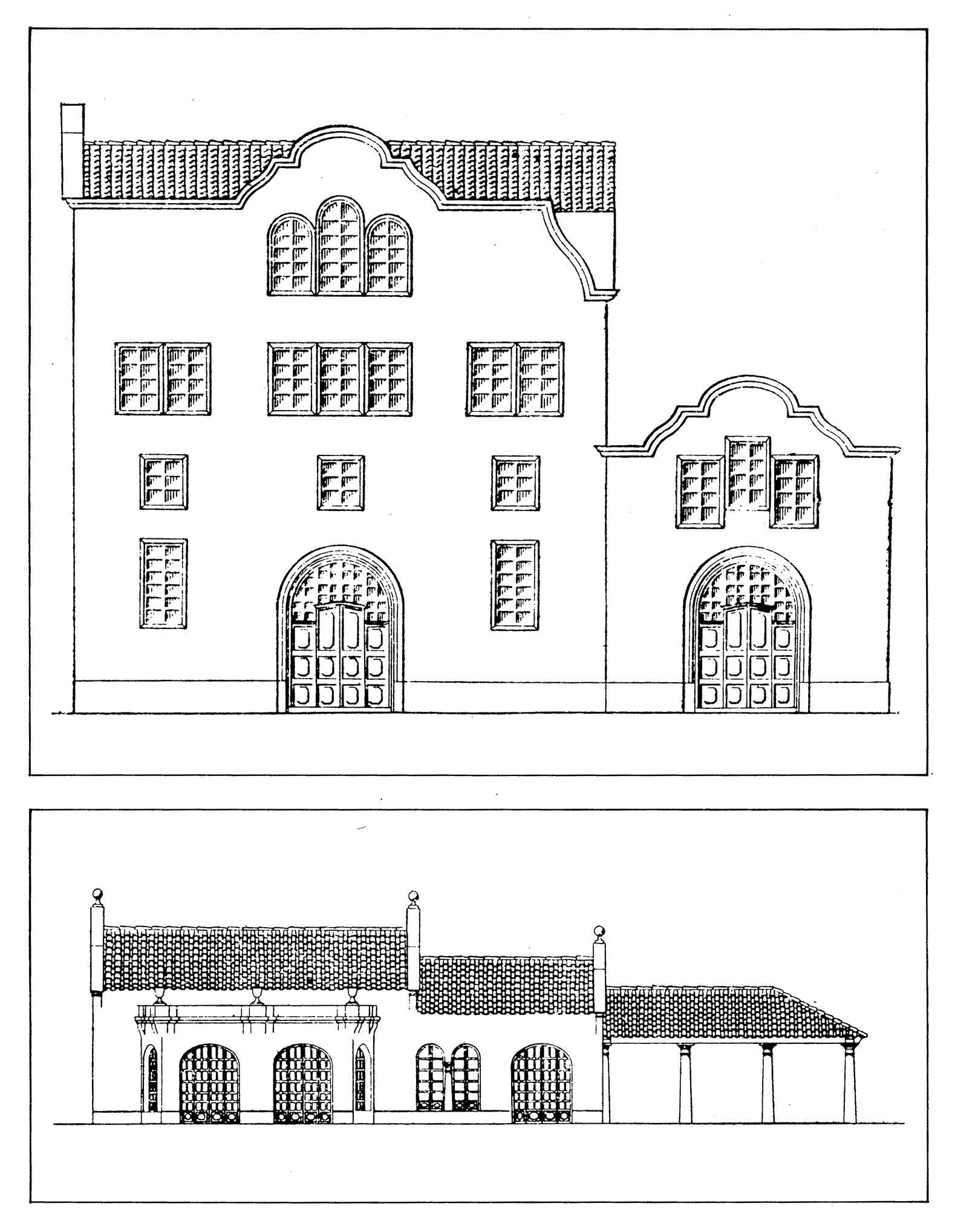
Also in line with Prat de la Riba’s vision, Terradas was named director of the Ferrocarrils Secundaris de la Mancomunitat (Secondary Railways of the Commonwealth of Catalonia) in 1918. His appointment was initially contested by the Cos de Camins (Civil Engineering Corps). In response, Terradas arranged with the Escuela de Caminos of Madrid (Madrid School of Civil Engineering), then the only one in Spain, to take the 20 required exams between June and September 1918, thereby earning the title of Enginyer de Camins (Civil Engineer). Under his leadership, the Office of Secondary Railways drafted four railway projects, none of which were completed due to the Primo de Rivera dictatorship, although some were already at an advanced stage of preparation.
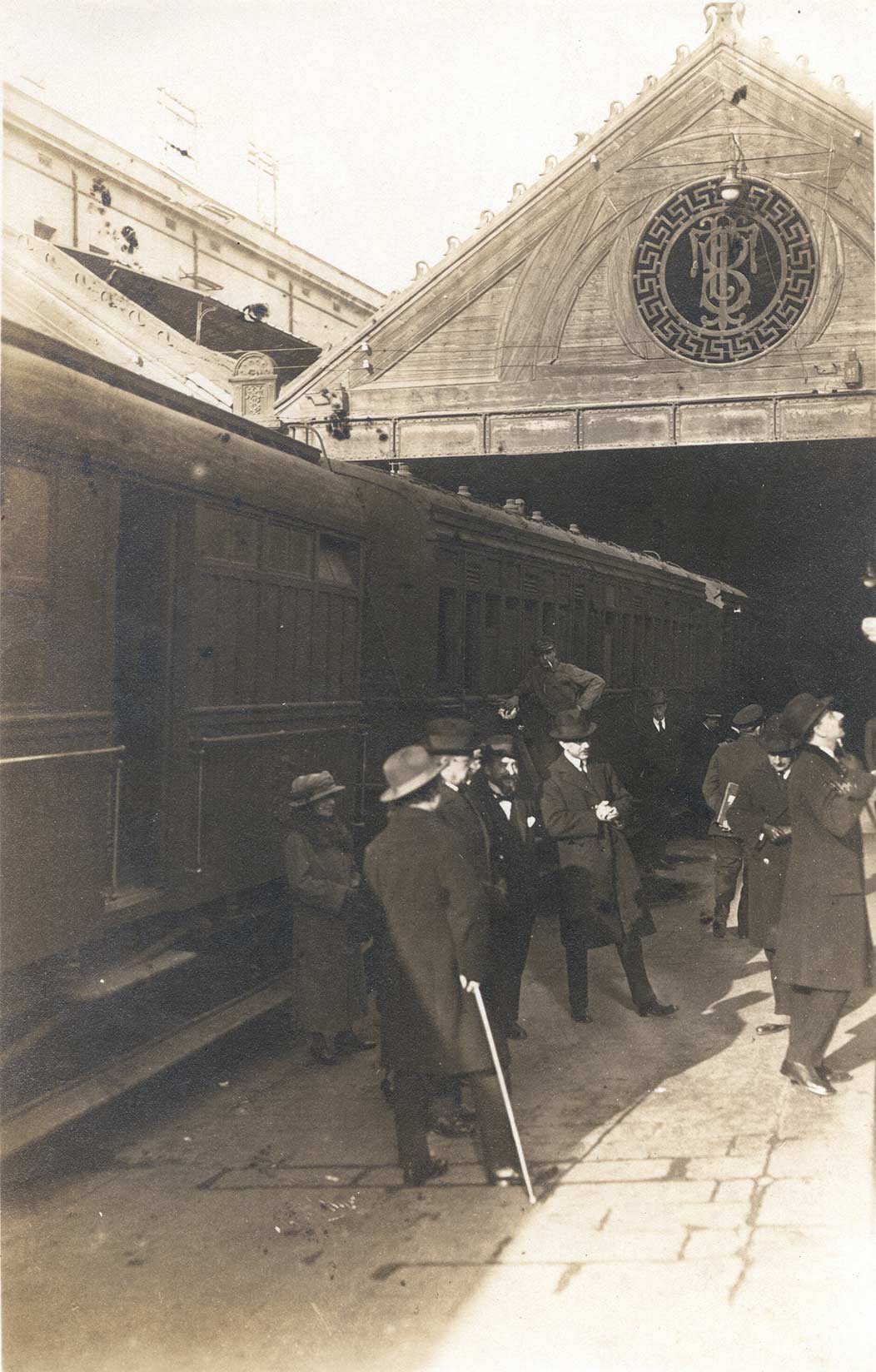
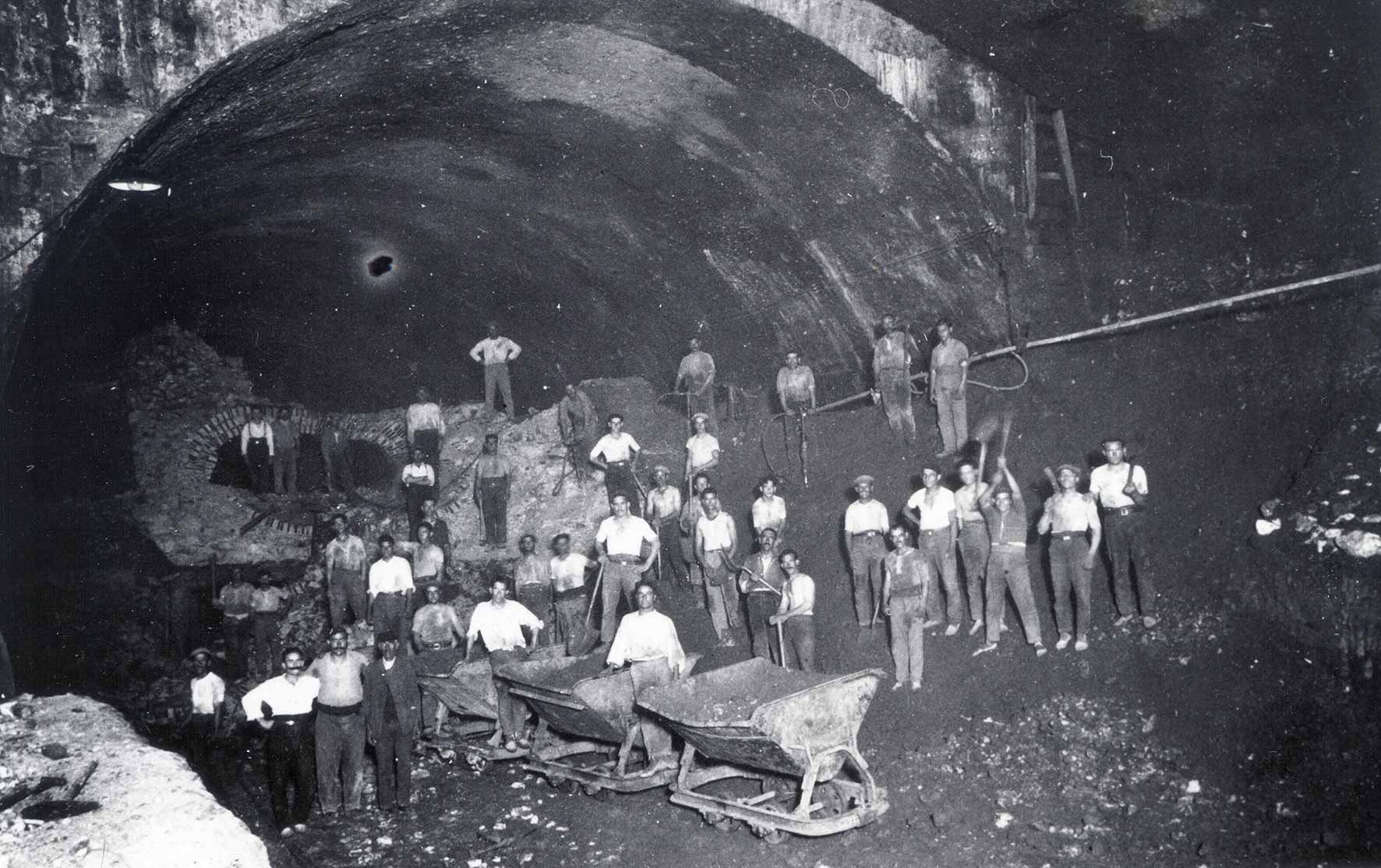
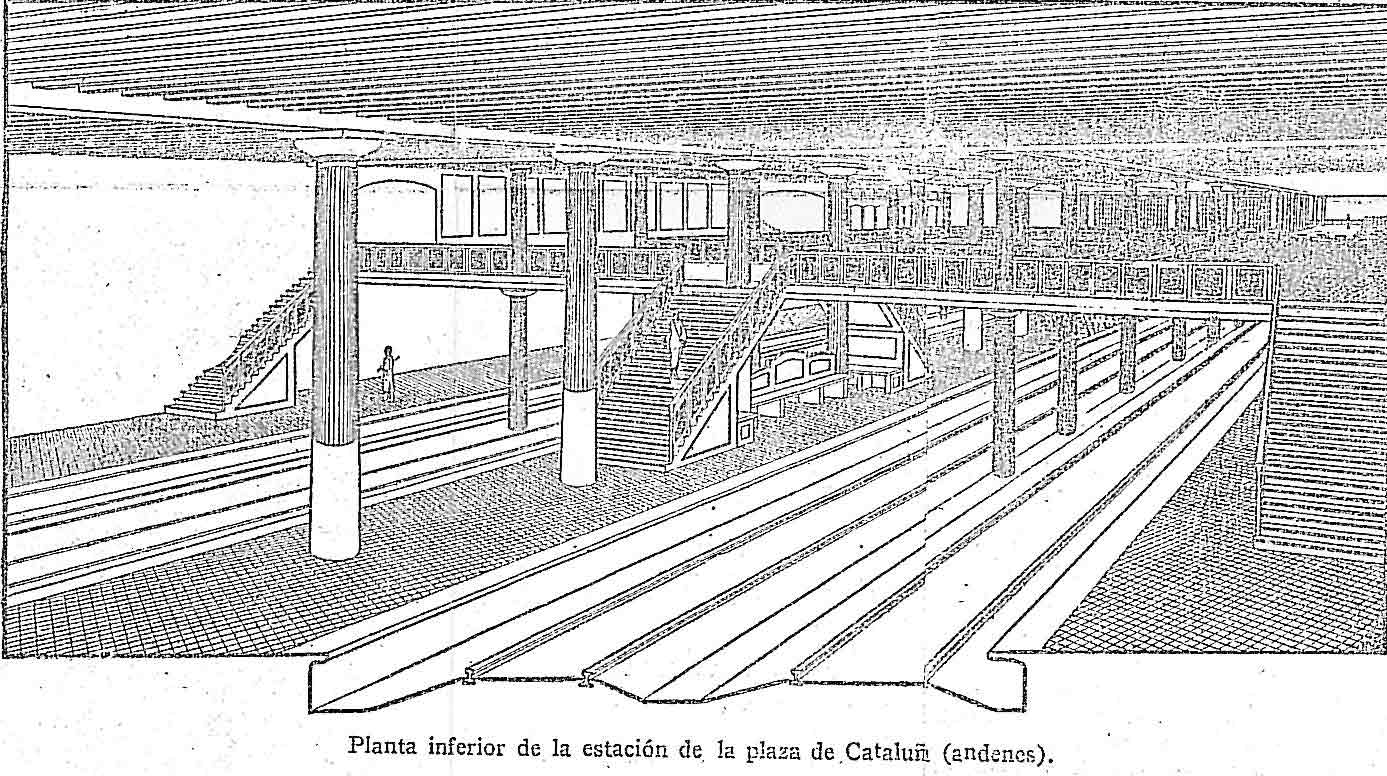
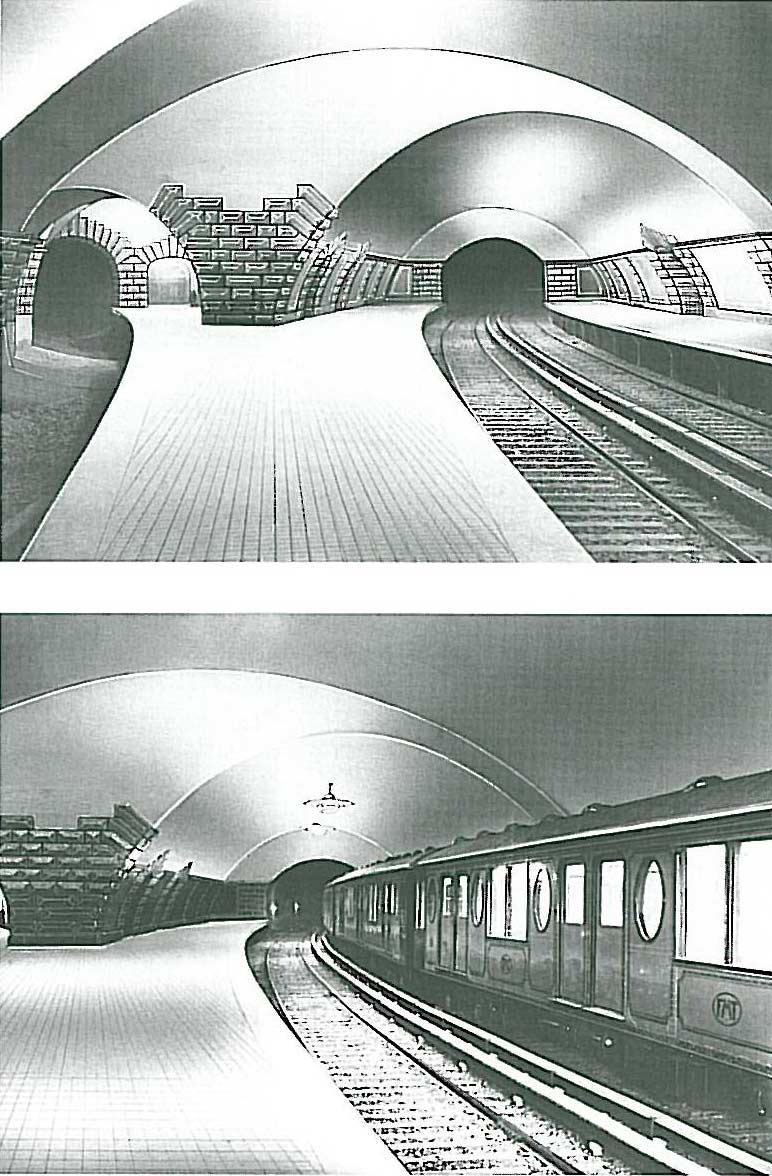
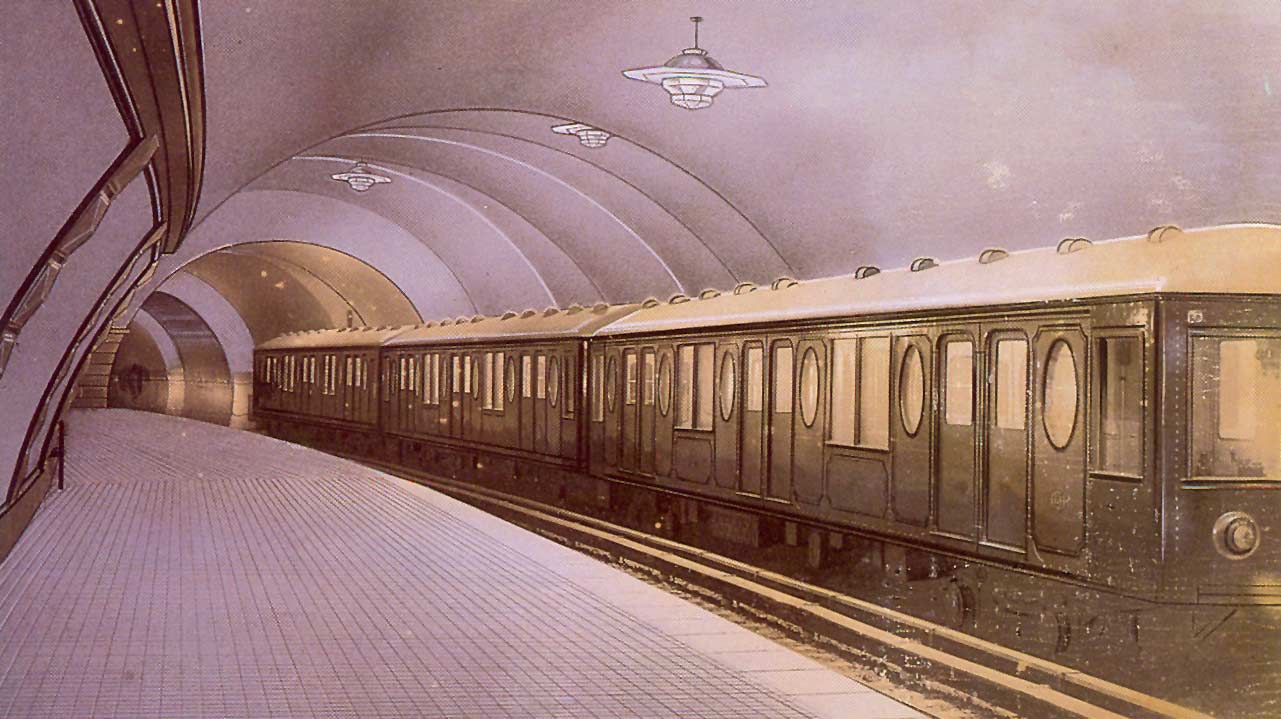
In early 1923, Terradas accepted the position of director of construction for the Metropolità Transversal (Transversal Metropolitan Railway), a project initially conceived as a rail link between Sants and the Estació del Nord. Terradas and his colleagues, however, transformed it into a subway system – the foundation of today’s Line 1 of the Barcelona Metro. In 1924, he completed the first metro line, running from Lesseps to Liceu, with a branch line to the Port along Via Laietana. The railway being built by Terradas intersected with another line at Plaça de Catalunya. The Metropolità Transversal was inaugurated in 1926 and became a key element in connecting Montjuïc during the 1929 Barcelona International Exposition.
Terradas managed to combine his university and Escola Industrial teaching positions with the direction of major technical services and large public works projects such as the Barcelona Metro, all while pursuing studies in mathematics, physics, and engineering. In fact, each of his technical projects seems to have led him to deeper study of the underlying theoretical principles. In 1926, for example, he gave a lecture on the stability of structures – a topic directly linked to the construction of the metro’s tunnels and stations.
He was equally interested in new developments in physics and mathematics. In this regard, he organized courses on these subjects within the Cursos Monogràfics d’Alts Estudis i d’Intercanvi (Monographic Courses on Advanced Studies and Exchange) promoted by the Mancomunitat beginning in 1915. He personally taught several courses, such as The Discrete Elements of Matter and Radiation (1915), The Theory of the Moon (1916), and The Theory of Relativity (1920–1921). He also invited some of the most distinguished scientists of the time, including Julio Rey Pastor (1915), Béla Szilard (1916, 1917), Tullio Levi-Civita (1921), Jacques Hadamard (1921), Hermann Weyl (1922), Arnold Sommerfeld (1922), Albert Einstein (1923), and Béla Kerékjártó (1923).
Terradas established both professional and personal relationships with several of these scholars, notably Julio Rey Pastor and Hermann Weyl. Einstein himself expressed admiration for Terradas’s intellectual ability. The list of invited professors reflects the cutting edge of physics and mathematics at the time; Kerékjártó, the last of the guests, was then a promising young mathematician who spent a study period with Terradas and later became a prominent figure in his field.
Terradas published a number of papers through the Reial Acadèmia de Ciències i Arts de Barcelona and the Institut d’Estudis Catalans. At the same time, from at least 1908 to 1935, he served as an editor for the Enciclopedia Espasa, preparing – often with collaborators – a large number of entries on physics, mathematics, engineering, and construction, including several substantial articles with extensive bibliographies. In 1924, Terradas left his positions at the Mancomunitat, and was soon recruited by International Telephone & Telegraph (ITT). As a result, he became one of the key engineers in the newly created national telephone monopoly promoted by the dictatorship: the Compañía Telefónica Nacional de España (CTNE).
In 1927, Terradas was appointed a member of the Asamblea Nacional (National Assembly), a consultative parliament created by the dictator Primo de Rivera to replace the democratically elected Cortes. Terradas participated in it as an engineer and professor. His move to Madrid facilitated his nomination by colleagues at the University of Madrid for the Chair of Differential Equations. He was also invited by Emilio Herrera to teach at the newly founded Escuela Superior Aerotécnica (Higher School of Aeronautical Engineering), where the first Spanish aeronautical engineers were trained. In 1929, Terradas assumed the post of general director of the CTNE – a crucial year, as the company’s contract with the Spanish government was due for renegotiation.
With the proclamation of the Second Spanish Republic (1931), he left his position as director of the CTNE, and his appointment to the Chair of Differential Equations was called into question. He agreed to stand for a new competitive examination, but even as the sole candidate, the board chose to leave the post vacant. Around that time, his former teacher in Barcelona, Eduard Fontserè, vacated the Chair of Rational Mechanics at the University of Barcelona to assume the Chair of Geophysics. Given that Terradas had previously won the Chair of Rational Mechanics in Zaragoza, the Ministry appointed him to the one in Barcelona in 1932.
Although he reestablished himself in Barcelona, he continued teaching at the Escuela Superior Aerotécnica and offered courses in Statistics at the Complutense University of Madrid. Back in Barcelona and reinstated at the Institut d’Estudis Catalans, he promoted the creation of the Centre d’Estudis Matemàtics (Center for Mathematical Studies) in 1933. The directorship was later assumed by Pere Pi Calleja upon his return from research in Germany. Terradas taught courses at the new centre and worked to integrate Julio Rey Pastor – by then a professor in Buenos Aires since 1920 – who had been dismissed from his Madrid post by the Republican authorities.
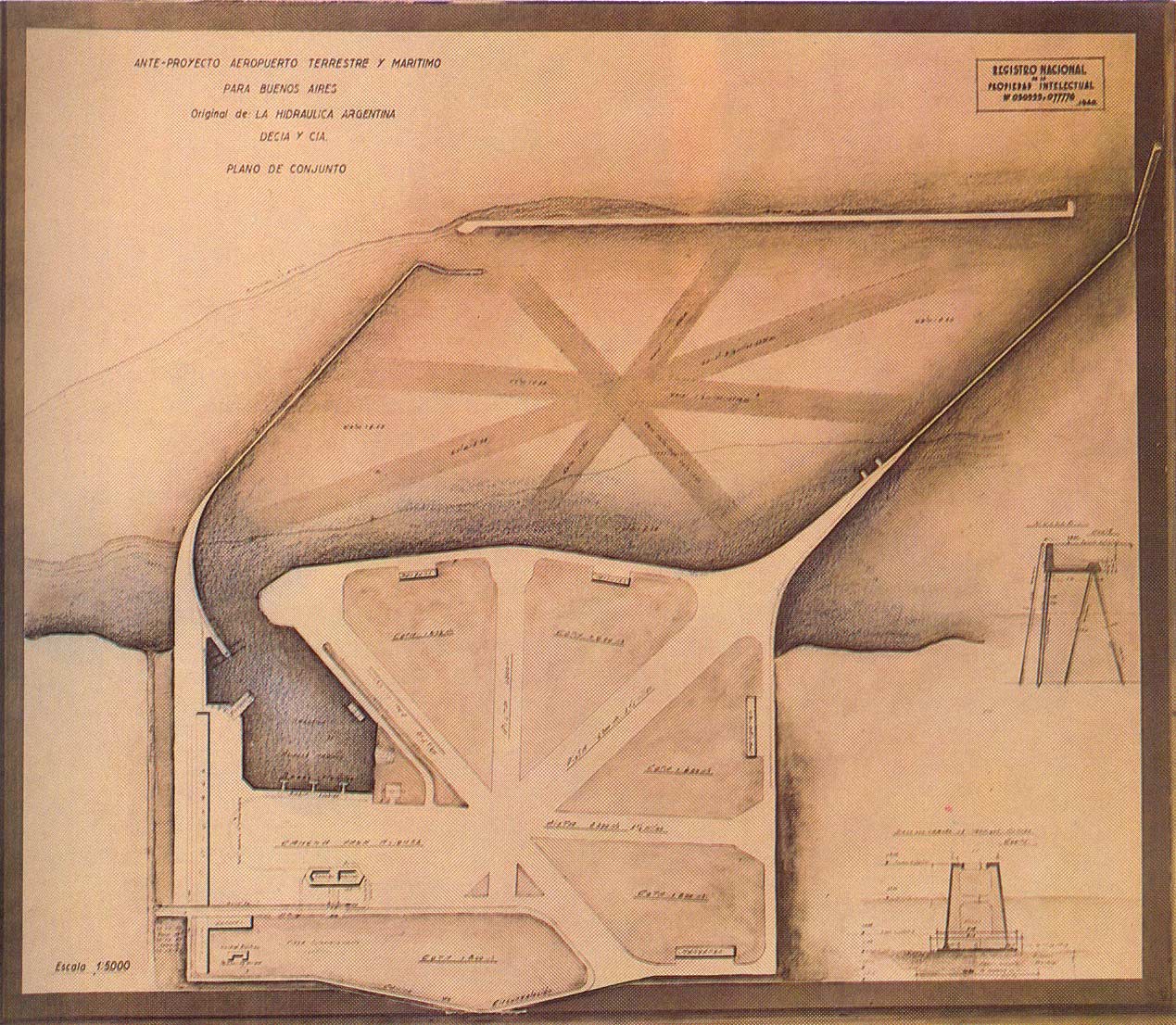
When the Spanish Civil War broke out in 1936, Terradas left Spain, leaving his family behind. He stayed in Paris briefly before being invited to teach at the National University of La Plata in Argentina, thanks to Rey Pastor’s efforts. Between 1937 and 1941, in addition to his university teaching, Terradas participated in a campaign led by the Observatorio de La Plata (La Plata Observatory) to measure the Argentine meridian and sea level in Patagonia. He also joined an engineering firm that designed several facilities and submitted a proposal for a combined land and sea airport for Buenos Aires.
In 1939, Franco’s government began steps to reinstate both Rey Pastor and Terradas at the University of Madrid. Terradas returned to Spain in 1940 and took up the Chair of Mathematical Physics at the Complutense University, though he soon went back to Argentina with his wife. In 1941, he returned to Spain again to teach his scheduled courses, planning to return afterward to Argentina, but the Spanish government prevented his departure because of the dangers posed by World War II.
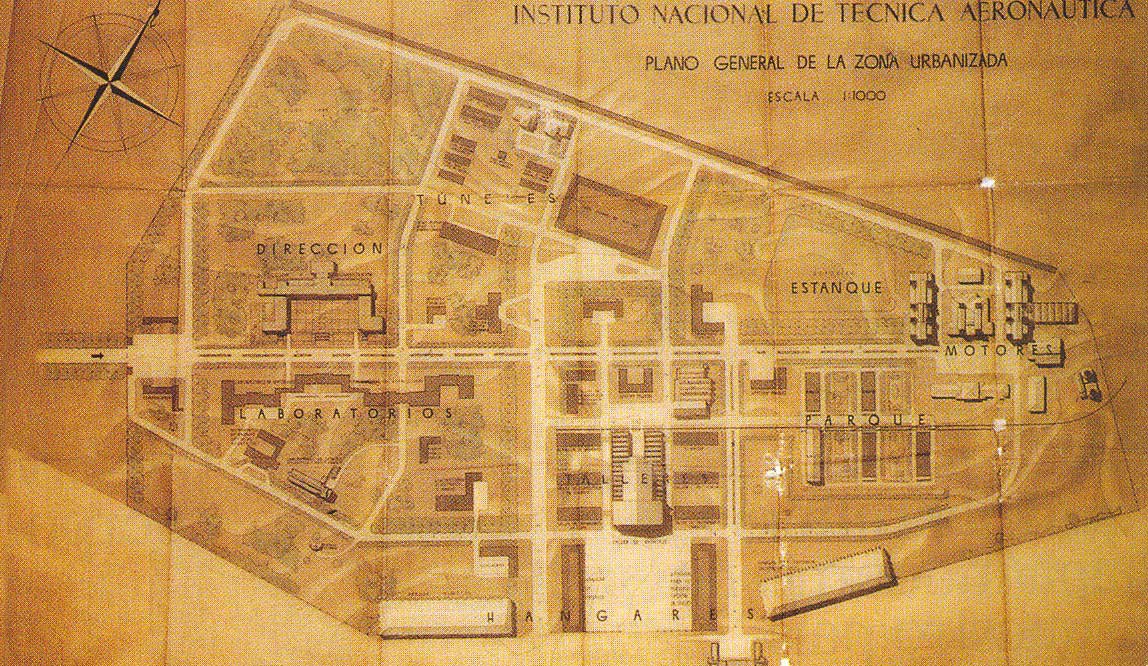
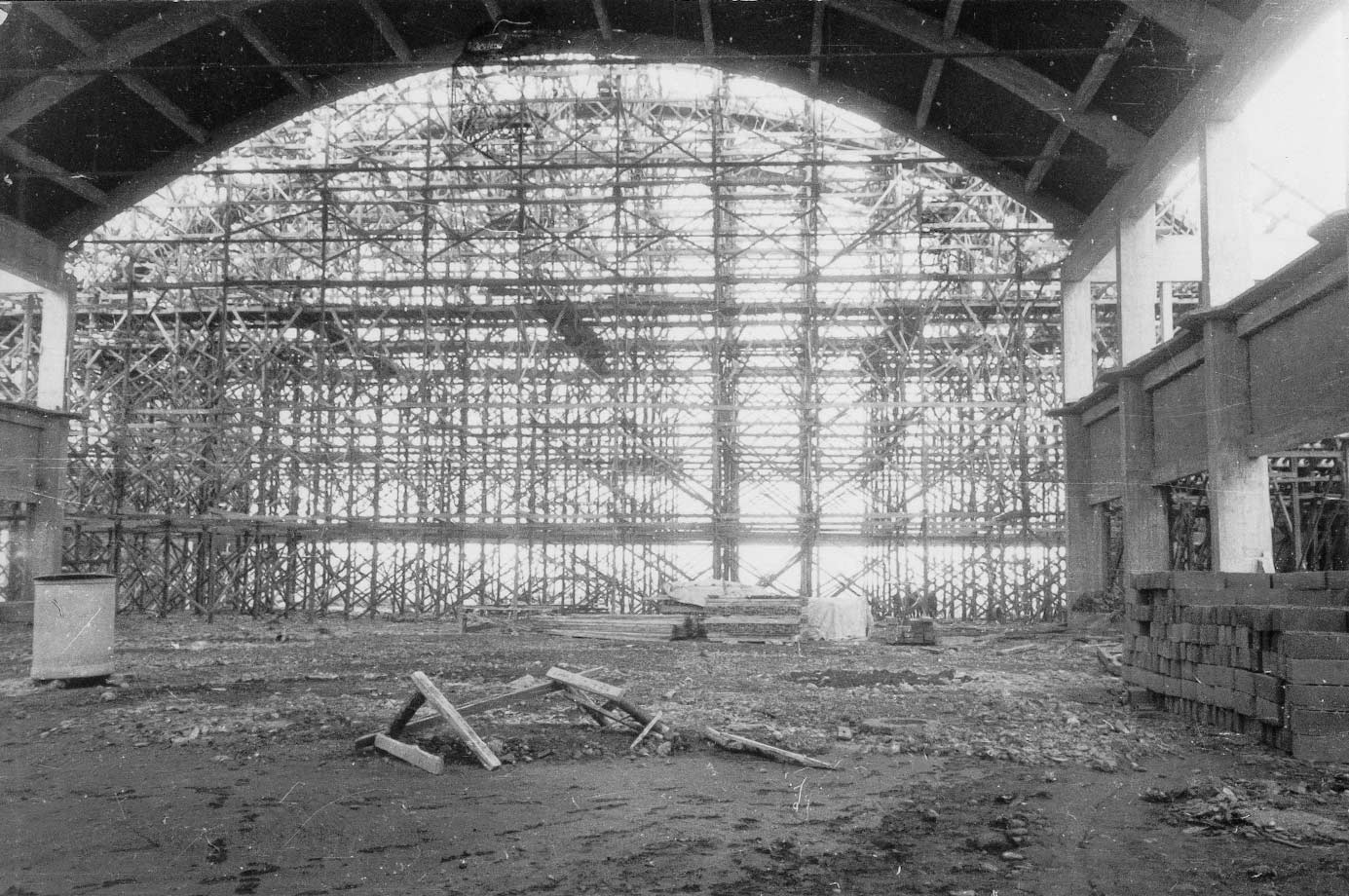
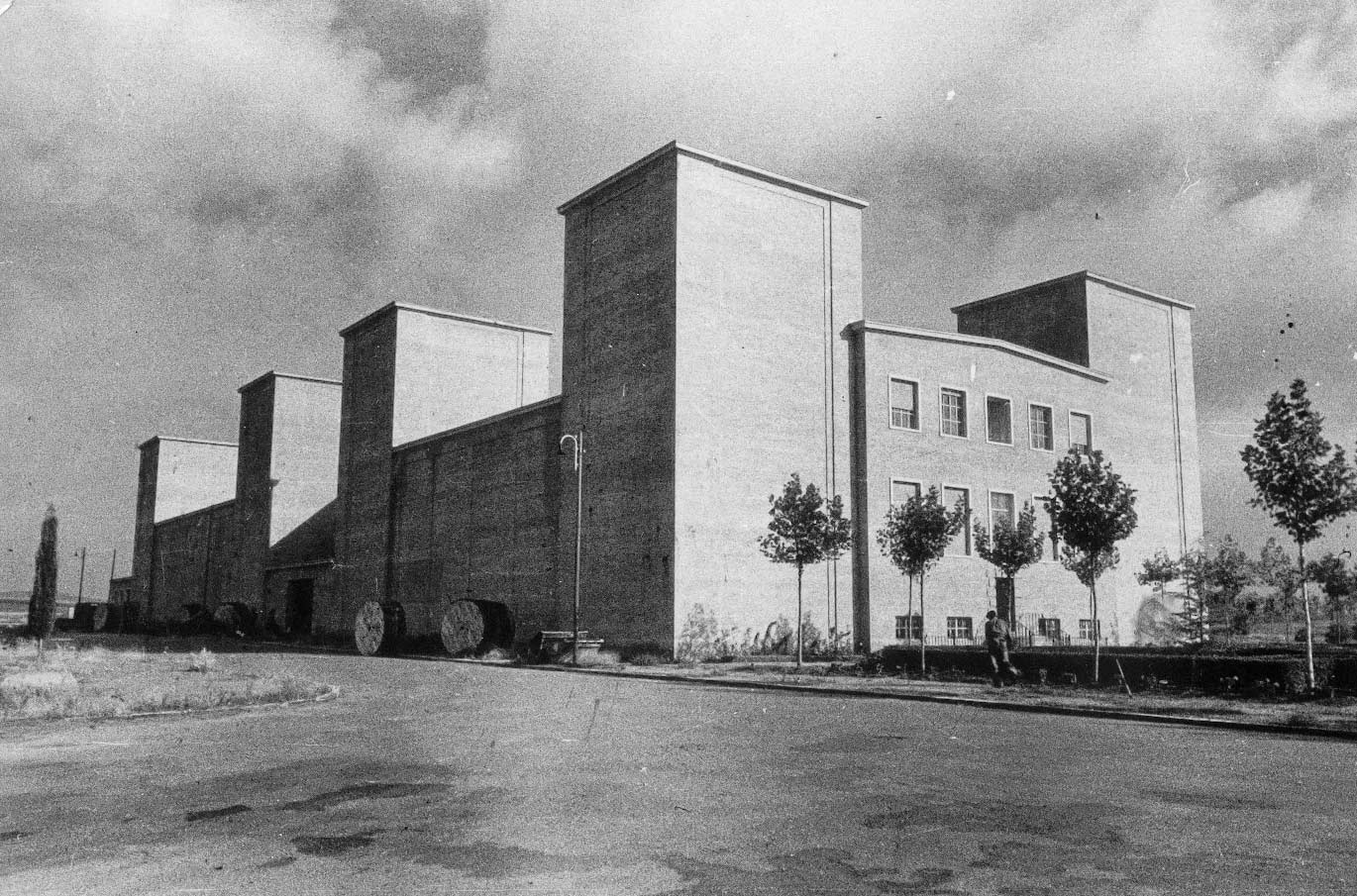
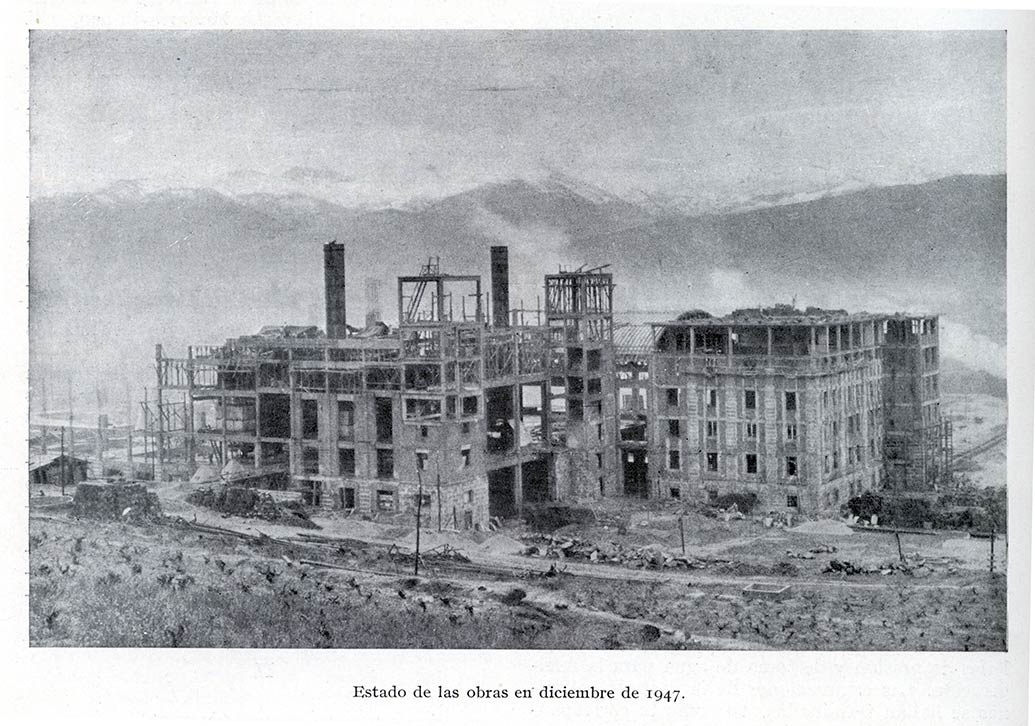
In 1942, Terradas was appointed president of the board of the Instituto Nacional de Técnica Aeronàutica (INTA) (National Institute of Aeronautical Technology), where he promoted technical research in this field. He prepared courses in Quantum Mechanics and Hydrodynamics for the Military Engineering Academy. Terradas had been a member of the Real Academia de Ciencias Exactas, Físicas y Naturales de Madrid (Royal Academy of Exact, Physical, and Natural Sciences of Madrid) since 1933, and in 1942 he was elected to the Real Academia de la Lengua (Royal Academy of Language). He was later employed by the Institut Nacional d’Indústria (National Institute of Industry) and became the first president of ENDESA (National Electric Company of Spain), founded in 1944 as a public enterprise for electricity production. Under his direction, construction began on the Compostilla thermal power plant in Ponferrada, inaugurated in 1949.
In Madrid, he lived first at the university faculty residence and later at the Hotel Palace, where he occupied two adjoining rooms, one of which housed his library. He died in Madrid in May 1950. His remains were transferred to Barcelona aboard a military aircraft. In 1977, the descendants of Terradas contacted the Physics Section of the Societat Catalana de Ciències (Catalan Society of Sciences) to fulfil Terradas’s wish that his library be deposited at the Institut d’Estudis Catalans. His collection is now preserved at the Biblioteca de Catalunya (Library of Catalonia), which also holds part of his personal archive, though the Arxiu de l’Institut d’Estudis Catalans (Archives of the Institute of Catalan Studies) retains the most substantial portion of his personal and professional materials.
Publications
- A list of Terradas’s publications, including discussion of authorship attributions (in the case of unsigned works), can be found in Cinquanta anys de ciència i tècnica (Fifty Years of Science and Technology, 1987). Other versions appear in Roca Rosell and Sánchez Ron (1990) and Roca Rosell (1995).
FURTHER READING
- Cinquanta anys de ciència i tècnica a Catalunya. Entorn l’activitat científica d’E. Terradas (1883 1950) (1987), Barcelona, Institut d’Estudis Catalans. With contributions by Guillermo Lusa, Antoni Roca Rosell, Jaume Rosell, Isabel Serrà, Thomas Glick, Leonardo Villena, José Manuel Sánchez Ron, Josep M. Tura Soteras, Manuel Valera Candel, Mariano Hormigón, Santiago Garma, Carlos López Fernández, Carmen Gavira, Joan Vernet i Ginés, and Víctor Navarro Brotons. https://publicacions.iec.cat/PopulaFitxa.do?moduleName=cataleg&subModuleName=cerca_avanzada&idCatalogacio=1814
- ORTIZ, Eduardo, ROCA ROSELL, Antoni, SÁNCHEZ RON, José Manuel (1989). “Ciencia y Técnica en Argentina y España (1941 1949) a través de la correspondencia de Julio Rey Pastor y Esteban Terradas”, Llull, vol. 12, no. 22, pp. 33-150. https://dialnet.unirioja.es/servlet/articulo?codigo=62056
- ROCA ROSELL, Antoni (1995). “Esteve Terradas i Illa. Barcelona, 1883 – Madrid, 1950. La Física Tècnica”. In J.M. CAMARASA and Antoni ROCA ROSELL (eds.), Ciència i Tècnica als Països Catalans. Una aproximació biogràfica, Barcelona, Fundació Catalana per a la Recerca, pp. 1177-1207.
- ROCA ROSELL, Antoni (ed.) (2004). Esteve Terradas Illa (1883-1950). Enginyeria, Arquitectura i Ciència al segle XX, Barcelona, La Salle Enginyeria Arquitectura. With contributions by J. Ferran Boleda, C. Gámez Pérez, T. F. Glick, J. Guerola, J. Naranjo, E. L. Ortiz, A. Roca Rosell, E. Sallent del Colombo, and J. M. Sánchez Ron.
- ROCA ROSELL, Antoni; SÁNCHEZ RON, José Manuel (1990). Esteban Terradas (1883-1950). Ciencia y técnica en la España contemporánea, Barcelona–Madrid, El Serbal–INTA.
Image gallery